At-home safety checklist · Adults 21+
Adults 21+ only. This general storage checklist does not replace the product label, medical advice, Poison Control, or emergency help.
How to Store CBD Gummies and Topicals Safely at Home
Use this adults-only checklist to store CBD gummies, creams, and topicals securely, protect children and pets, and prepare for a possible exposure.
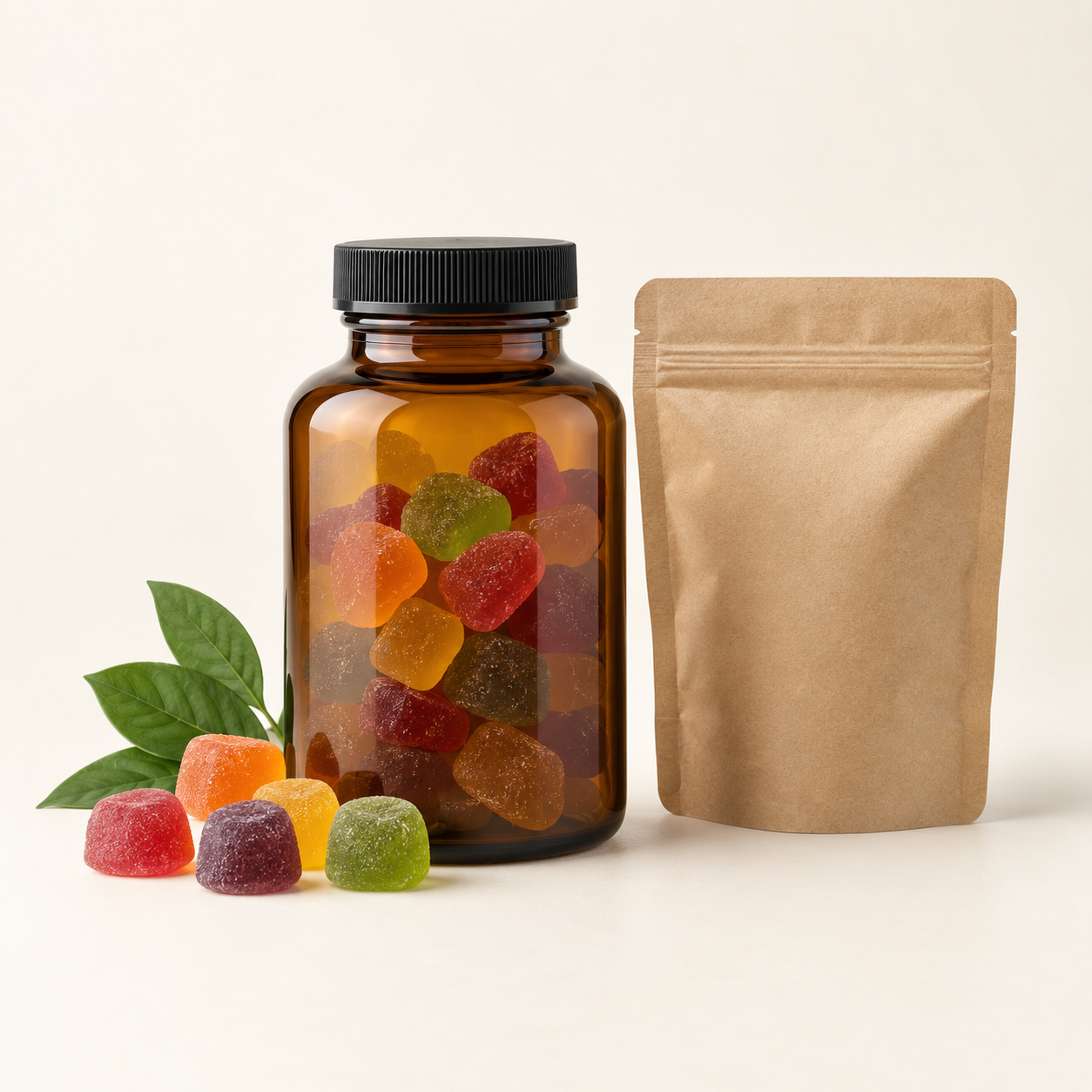
Bringing a CBD product home creates a simple responsibility: keep the exact package secure, identifiable, and away from anyone who should not access it. Gummies can resemble ordinary candy, while creams, balms, lotions, and roll-ons may look like familiar personal-care items. This adults-only guide turns current FDA and CDC safety guidance into a practical home routine without making claims about a product's effects, quality, legality, or suitability for any person.
Use locked storage, not a convenient hiding place
CDC advises keeping cannabis products in a locked, childproof container and out of the reach and sight of children and pets. A high shelf by itself is not the same as locked storage: children climb, visitors move things, and pets can reach bags or containers that fall. Choose a consistent locked cabinet, lockbox, or other secured place that adults in the household understand is not ordinary food or personal-care storage.
Keep the product secured immediately after each use rather than leaving it on a counter, nightstand, bathroom shelf, vehicle console, purse, or backpack. Think about temporary access too. Guests, maintenance visits, travel, and changes in a child's mobility can turn a previously inaccessible place into an easy one. Recheck the storage location whenever the household routine changes.
Keep the original package and label together
Do not move gummies into an unmarked snack container or put a cream into an unlabeled jar. The original package helps distinguish the product from ordinary candy, food, cosmetics, or medicine and preserves the product name, ingredients, labeled amount, lot or batch details, manufacturer information, warnings, and directions. Those details can matter if a household member, clinician, veterinarian, poison center, manufacturer, or retailer needs to identify what was involved.
Close the package as its instructions describe before returning it to locked storage. Child-resistant packaging, when present, is only one layer of protection and should not replace supervision or a lock. If the package is damaged, leaking, unreadable, or will not close correctly, isolate it from other household items and contact the manufacturer or retailer for package-specific guidance rather than improvising a new unlabeled container.
- Keep the product name and ingredient panel readable
- Preserve the lot or batch code and any date
- Retain directions, warnings, and manufacturer contact information
- Store different products in their own labeled packages
- Never describe a gummy as ordinary candy to a child
Separate CBD products from everyday household items
A secure location should also reduce mix-ups. Do not store CBD gummies beside family snacks, vitamins, children's medicine, or school lunches. Do not keep CBD topicals beside ordinary hand cream, sunscreen, lip balm, or first-aid ointment where someone might use the wrong container without reading it. Separation is especially important in shared homes, guest rooms, workplaces, and travel bags.
Tell other responsible adults in the household where the locked storage is and what is inside, but do not give children or unauthorized visitors access to the key or code. If an adult uses multiple CBD formats, keep a simple inventory of the sealed packages rather than relying on color or appearance. A catalog photo is not a substitute for the exact label on the item in the home.
Follow the exact package for product conditions
This article cannot supply one temperature, humidity, sunlight, expiration, or refrigeration rule for every gummy, cream, balm, lotion, or roll-on. Formulas and containers differ. Read the exact package for storage conditions and expiration or best-by information, and contact the named manufacturer when the instructions are missing or unclear. Do not assume advice for one package transfers to another product with a similar name or appearance.
Keep products away from conditions the label warns against and check the container before use. If the seal, texture, odor, color, or package condition has changed, do not guess whether the product is still appropriate. Secure it so nobody else uses it while you seek package-specific guidance. Keep Puffin's informational catalog does not determine shelf life, replace manufacturer directions, or guarantee the condition of a product after it leaves the store.
How to read a CBD labelHow to match a lab report to a package
Plan for travel, visitors, and disposal questions
Before traveling, check the current rules for every place involved and keep the original labeled package secured during the trip. Do not leave a product loose in luggage, a hotel room, or a hot or unlocked vehicle. A product offered in one location should not be assumed lawful to carry everywhere, and this guide is not legal advice. If you cannot confirm the applicable rules, leave it secured at home and seek authoritative guidance first.
For an unwanted, expired, recalled, or damaged product, do not flush it, pour it out, give it to someone else, or place it where a child, pet, or other person can retrieve it unless an authoritative instruction for that exact product says to do so. Review the package and any recall notice, then contact the manufacturer, appropriate local authority, or retailer for product-specific disposal or return instructions. Preserve identifying information until the issue is resolved.
Know what to do after a possible exposure
FDA recommends keeping cannabis-containing products out of children's reach to reduce accidental ingestion. If a parent or caregiver reasonably suspects that a child ingested one, FDA advises taking the child to a physician or emergency department, especially if the child acts unusually or feels sick. CDC directs people with additional questions to a healthcare provider, health department, or local or regional poison control center at 1-800-222-1222, and to call 911 for an emergency.
Do not wait for a retail website, social-media reply, or store employee to assess a possible poisoning. Keep the package with you so responders can see the exact name, ingredients, labeled amount, and manufacturer details. For a pet exposure, FDA advises contacting a veterinarian, local animal emergency hospital, or animal poison control center immediately when adverse effects are suspected. Retail staff cannot diagnose an exposure or tell you that a person or animal is safe.
After the urgent issue is addressed, document how access occurred and improve the storage system before returning any remaining product to the home. A locked location, original packaging, a consistent routine, and clear communication among responsible adults work together; none should be treated as a substitute for the others.
FDA: cannabis and CBD questions, including children and petsCDC: cannabis and poisoning
Use Keep Puffin information for the right purpose
KeepPuffin.com is an informational catalog for adults 21+. It does not show live inventory, reserve products, collect payment, or give medical, veterinary, or legal advice. Adults can use the catalog to identify a CBD format, review the Safety & Compliance page, and call the Edinburg or Pharr location before visiting. Availability may differ by store and change over time.
When you examine a sealed package in person, read its label and warnings rather than relying on a category description. Ask a pharmacist or qualified healthcare professional about medicines, pregnancy, breastfeeding, medical conditions, alertness, or personal use. Keep products secured away from children and pets from the moment they enter the home.
Browse the CBD catalogEdinburg store detailsPharr store detailsRead Safety & Compliance